01 / Understand
The financing decision
Do the actual permitted site uses and tenancy rights support the proposed collateral and repayment?
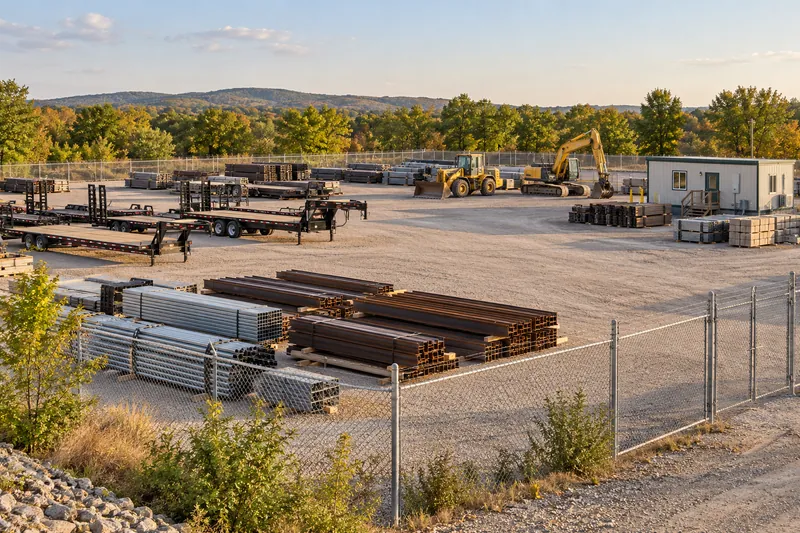
Begin with the activity occurring on each portion of the site: storage, parking, loading, repairs or material handling. Match that map to actual leases, access rights and official approvals. A large parcel is not automatically an equally large rentable yard, and a successful current operation is not proof that every proposed expansion can proceed.
Use activity-specific environmental evidence
EPA describes industrial stormwater coverage by activities and identifies transportation facilities with maintenance or cleaning operations among regulated categories. Determine the actual site activities and permitting authority; do not assume every parking yard is covered, or that a storage label creates an exemption.
Sources: EPA — Stormwater Discharges from Industrial Activities
Separate historical use from future use
EPA’s AAI overview addresses evaluating environmental conditions and potential contamination liability. An environmental assessment and a permitted-use determination answer different questions. Put both findings in the diligence file and identify any unresolved follow-up before treating expansion rent as supportable.
Measure what can earn rent
Build a usable-area bridge from gross land to leased yard after access lanes, setbacks, drainage, easements and unavailable areas are identified. Price surface repairs and drainage work separately. Ask the engineer and land-use adviser to verify those deductions for the actual operation.
A hypothetical decision
Hypothetical: a higher-rent trucking tenant
A buyer expects a trucking tenant to pay more than the current equipment-storage occupant.
Compare the proposed operating activity with existing approvals, physical circulation and environmental diligence. Model current rent until the necessary evidence, work and actual lease conditions support the transition.
The takeaway: A stronger proposed rent does not resolve a mismatch between legal use, usable area and physical capability.
Dedicated to industrial outdoor storage
Download your niche underwriting package.
Use this dedicated Excel workbook with its lender guide and document checklist. Read the workbook instructions, replace illustrative assumptions with your evidence, and keep the guide beside your analysis.
Model scope and limitations
Excluded acres include the actual mapped setbacks, access, stormwater and unusable areas. Excluded area greater than gross area is unavailable, rather than treated as zero usable land.
Leasing is capped by usable acreage. The volume sensitivity changes requested leased area, not physical acreage or legal permission. Upkeep continues across all usable land, including vacant acres.
- All numerical values are illustrative; no market facts or lender approval are asserted.
- The twelve-month operating model omits taxes on investor returns and future refinancing costs except expressly entered items.
- Legal, licensing, environmental, engineering and lender-specific recognition require actual diligence.
Excel .xlsx · PDF .pdf · No email required. Preparation materials do not constitute a loan offer or a lender’s document requirements.
Package reviewed by Jason Taken ·
Next: gather your lender documents ↓Related core asset model
Compare the existing core workbook.
The scope below describes the related core asset workbook. The dedicated niche package above has its own instructions and limitations.
The existing Industrial underwriting model can analyze supported lease income and property costs.
Model scope and additional analysis
It does not establish land-use rights, environmental compliance, truck capacity or yard-development feasibility.
Prepare an additional schedule: Add a usable-area bridge and activity/permit matrix, plus dated capital and downtime assumptions.
Test property-level loan sizing · Check post-closing liquidity
Questions to prepare for a lender
Use these questions to organize a financing discussion. A lender sets its own credit requirements and determines which evidence applies to your transaction.
What activity is allowed, by whom and for how long?
Collect the site-specific zoning determination, permits, conditions and relevant lease rights; ask qualified advisers to identify transfer or change-of-use issues.
Which area generates recurring cash?
Reconcile the survey and approved layout to tenant boundaries, billing units and collected receipts. Keep proposed spaces separate.
What must be fixed before the next tenant can operate?
Prepare a scope for surfacing, drainage, fencing, lighting and access, with the responsible party and downtime identified.
03 / Prepare
Build your document checklist.
Check off what you have. Your selections stay on this page while it is open; they are not sent to Jaken Finance Group or analytics.
0 of 5 document groups marked ready
Print uses your browser’s PDF option. Checklist selections are for your preparation, not a lender’s completeness determination.
Continue the learning path.
Industrial outdoor storage: legal use and lender collateral
Reconcile surveyed area, documented use rights and leased storage area before presenting industrial outdoor-storage income and collateral to lenders.
Warehouse environmental history and funding conditions
Translate warehouse environmental findings into named closing conditions, funded holdbacks and the sponsor cash needed before reimbursement.
Sources and applicability
The references support the specific points identified above. Preparation questions, checklists and hypothetical decisions are the publication’s analysis, not instructions issued by the source or a lender.
- EPA — Stormwater Discharges from Industrial ActivitiesIndustrial Stormwater Overview; regulated categories; Authorized States · Checked 2026-10-21
Applicability depends on activities, discharge and permitting authority; a storage label does not determine coverage.
- EPA — Brownfields All Appropriate InquiriesAll Appropriate Inquiries overview and persons subject to requirements · Checked 2026-10-21
Environmental due-diligence context; AAI alone is not a guarantee of liability protection, site suitability or financing approval.
AI-assisted research and preparation. Published by Jaken Finance Group. Reviewed by Jason Taken on 2026-10-21. Report a correction.